
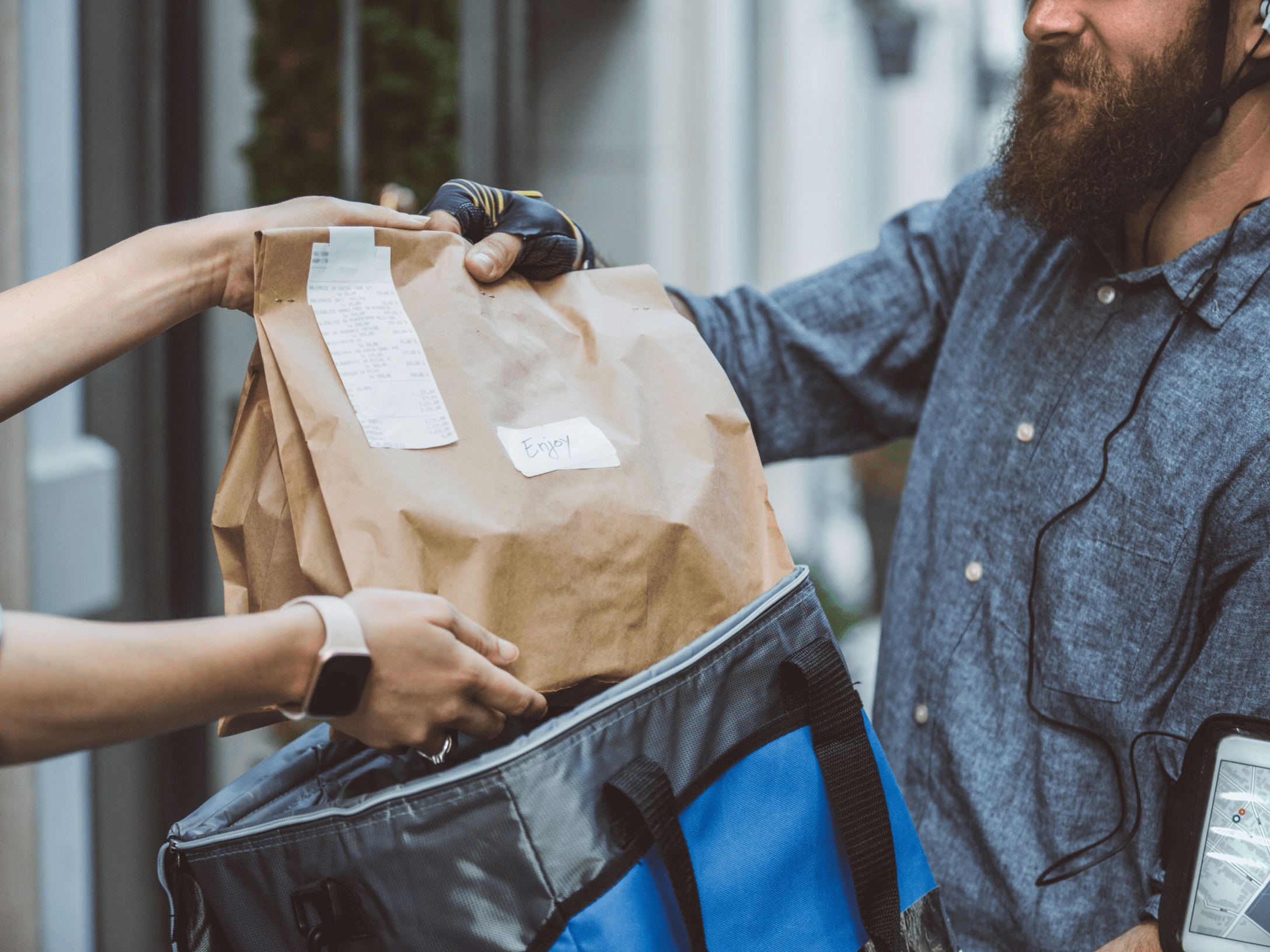
Third-party apps deliver your food — but you’re responsible for the allergen information
Whether you are coordinating high-volume US delivery via DoorDash, Uber Eats, or Grubhub, the responsibility for providing accurate allergen information remains with you as the operator.
With California requiring allergens on menus by July 1, 2026 under the Allergen Disclosure for Dining Experiences (ADDE Act) also known as SB-68, transparency is no longer optional. Mismanaged data doesn’t just impact guest safety; it poses a direct threat to your brand’s operational efficiency and financial health.
Who Really Controls Your Allergen Data?
While third-party platforms facilitate delivery, restaurants are legally the source of truth for their ingredients and recipes. To secure your operations, treat third-party platforms with the same standards as your primary menus.
Operational & Financial Risks You Can’t Ignore
Failing to synchronize digital menus with your kitchen reality leads to preventable errors and lost revenue.
Allergen data that is not kept up to date can result in –
- Guest safety incidents and potential legal action
- Damage to brand reputation and lost customer loyalty
- Operational inefficiencies and increased labor costs
- Financial penalties under state legislation such as California’s SB-68
Understanding these risks helps you establish a clear, automated data flow, ensuring accurate menu management and maintaining control across all delivery channels.
Where Can Allergens Go Wrong?
The table below outlines typical areas where allergen information can drift from your recipes to delivery apps, and the challenges operators face.
| Risk Area | Typical Operator Challenge |
|---|---|
| Manual menu uploads | Allergen details may not fully match current recipes when entered into app dashboards |
| Recipe or vendor changes | Ingredient substitutions not reflected in digital menus promptly |
| Disconnected systems | Point of Sale (POS), recipe, and app menus managed separately, causing inconsistencies |
| Platform display limits | Allergen notes truncated or inconsistently shown across apps |
| Seasonal or special menus | Temporary or holiday dishes may not be consistently uploaded to all platforms |
| Staff turnover / training gaps | New or temporary staff may miss steps for updating allergen information accurately |
| Ingredient substitutions during prep | On-site changes (e.g., swapping ingredients) may not be reflected online immediately |
| Multiple locations / franchise inconsistencies | Variations in recipes or prep practices across locations create discrepancies |
| Customer customization requests | Modifications via apps (e.g., “no nuts” or “extra sauce”) may not automatically update allergen info |
| Delayed platform updates | Even correct internal changes may take time to sync with third-party apps |
Maintaining a single, central source of truth across all platforms reduces these errors and ensures safe, consistent service for every guest.
Take Control of Your Digital Menus
Discover how centralized recipe and allergen management supports safe, compliant delivery at scale.
Talk to an Expert Download ResourcesContext: California’s ADDE Act applies to restaurant chains with 20 or more US locations and requires public allergen disclosure by July 1, 2026. Digital allergen transparency is a critical operational standard.
References
Allergen Disclosure for Dining Experiences (ADDE Act)
Related Posts
Menu Labeling Laws for Restaurants: What US Operators Need to Know
How Allergen Management Strengthens Customer Trust
Restaurant Allergen Compliance Guide
ADDE Act Explained: What California Restaurant Operators Need to Know